

Wind Tunnel Testing for STARLAUNCH 1 Completed
Subsonic and Supersonic Testing Validates Clean Separation from the Aircraft

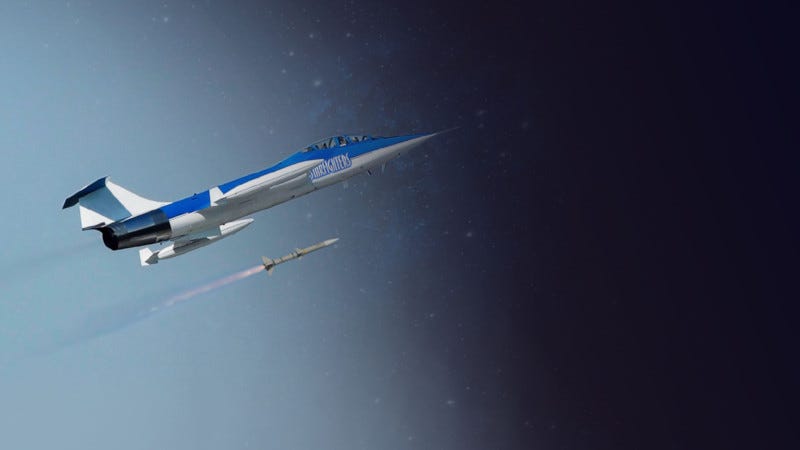
Wind tunnel testing for STARLAUNCH 1, a key technical milestone in the air-launched rocket development efforts being undertaken by Starfighters Space, has been successfully completed.
“Demonstrating clean, predictable separation across these flight regimes is a foundational requirement for an air-launched system.”
Rick Svetkoff, Starfighters Space
The completed test campaign evaluated separation of the STARLAUNCH 1 vehicle from the Starfighters’ aircraft platform across both subsonic and supersonic conditions. Using a combination of computational fluid dynamics (CFD) analysis and experimental wind tunnel testing, the Company assessed separation behavior at Mach 0.85 and Mach 1.3. Across all test conditions, clean separation was demonstrated with no adverse aerodynamic interactions observed.
“Demonstrating clean, predictable separation across these flight regimes is a foundational requirement for an air-launched system,” said Rick Svetkoff, Chief Executive Officer of Starfighters. “The close alignment between our simulations and the wind tunnel results gives us confidence in the underlying design and allows us to proceed methodically to the next phase of testing.”
The wind tunnel campaign consisted of ten successful runs, conducted at both subsonic and supersonic speeds. Experimental results showed strong agreement between CFD predictions and measured forces and moments, confirming the accuracy of Starfighters’ aerodynamic models and separation simulations.
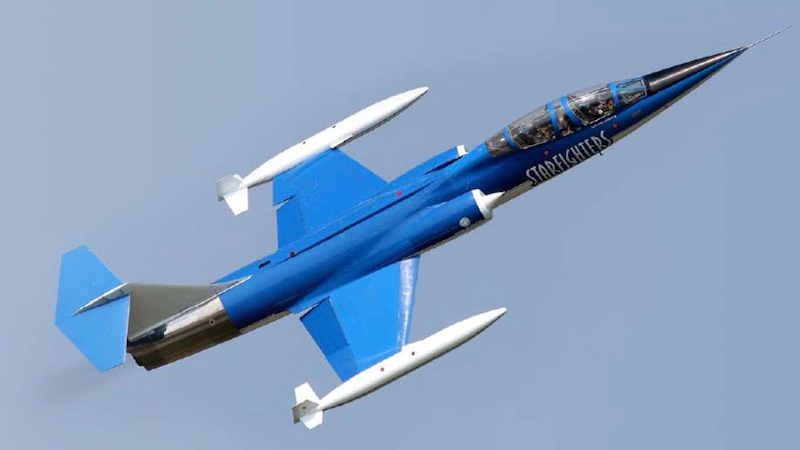
Testing was conducted at the FAMU/FSU Joint College of Engineering Polysonic Wind Tunnel. The correlation between simulation and experimental data represents an important risk-reduction step as the program transitions from analytical validation toward physical test articles.
Based on the completed testing, Starfighters has initiated the next procedural step in the program by moving forward with the procurement of instrumented drop test articles. These articles are intended to support further evaluation of separation dynamics under flight conditions and will incorporate onboard sensors and telemetry systems.
STARLAUNCH 1 is being developed as a sub-orbital vehicle designed to support short-duration microgravity missions and serves as a pathfinder for future air-launched concepts. In parallel, the validated separation work also supports Starfighters’ broader aerospace testing services, including programs where clean separation is required for advanced and hypersonic vehicle testing.