

When a Venture Arm Writes a Third Check, It’s Not About Returns
Lockheed Martin Ventures’ third consecutive investment in Agile Space Industries is a supply-chain positioning move. Primes and constellation operators that haven’t taken notice may already be behind.


WHAT THIS MEANS
Lockheed Martin Ventures has now backed Agile Space Industries across three consecutive funding rounds, culminating in a $17M oversubscribed Series A in February 2026. This is not passive financial exposure; it is a strategic move to secure preferential access to a critical and narrow domestic propulsion supplier before demand peaks in 2027 and 2028. For primes, integrators, and constellation operators that have not yet qualified Agile as a vendor, the window for preferred access is closing. For investors, Agile’s capital efficiency, contracted backlog growth, and structural scarcity position make it an unusual combination of traction and strategic value in a market that rewards early relationships over late capital.
The $17 Million Is the Headline. The Subtext Is the Story.
The $17 million is the headline. The subtext is something more consequential: Lockheed Martin Ventures just wrote its third consecutive check into Agile Space Industries, and the people who should be paying closest attention are not other investors. They are the supply chain and procurement leads at every prime, integrator, and constellation operator that still does not have Agile on their approved vendor list.
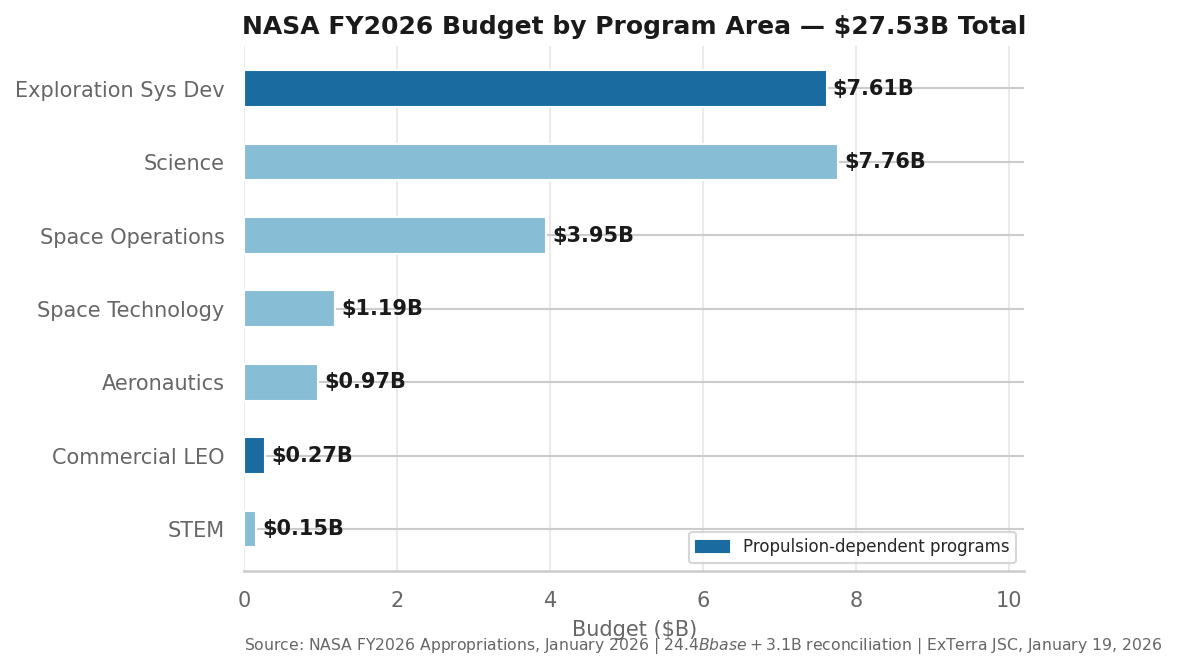
When a company the size of Lockheed Martin moves through seed, bridge, and now Series A in the same portfolio company, it is not chasing financial returns. It is buying optionality. Roadmap visibility. The kind of early relationship that, when propulsion capacity gets tight in 2027 and 2028, turns into preferred pricing and allocation priority. Chris Moran, managing director of Lockheed Martin Ventures, said it plainly when the round closed in February 2026: “In-space mobility is a mission-critical capability across national security, civil, and commercial architectures. Agile has proven to be a reliable, high-value propulsion supplier.” That is not investor language. That is a procurement signal dressed in a press release.
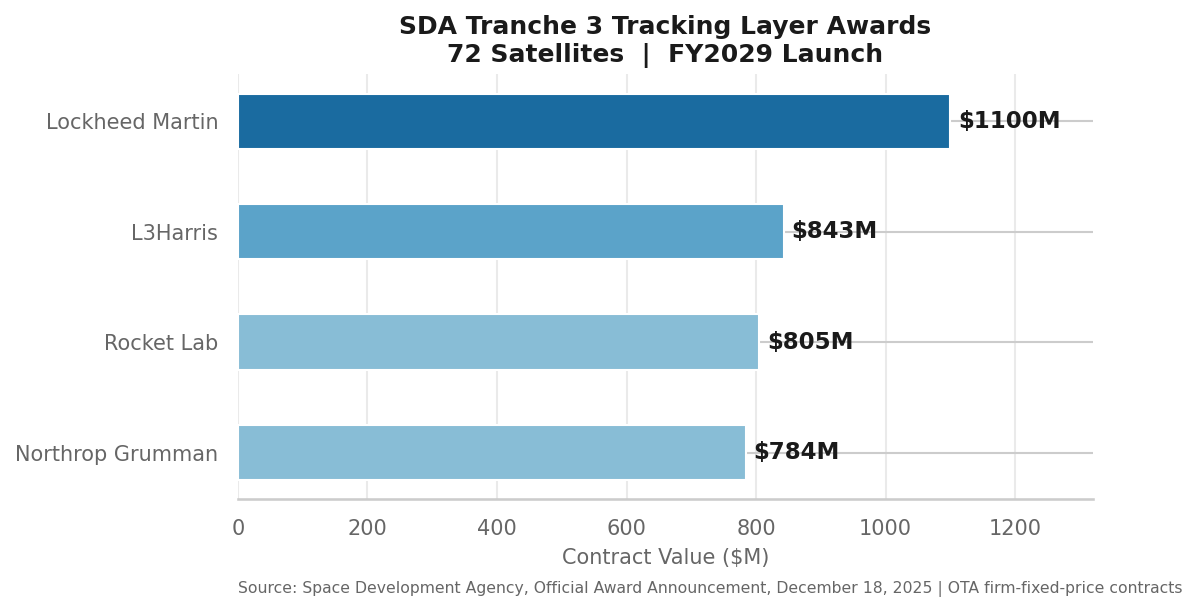
The round was oversubscribed, which means Agile turned away capital. In a market where most space companies are still pitching growth stories to skeptical limited partners, an oversubscribed Series A signals something specific: the company has more validated demand than it currently has capacity to serve. That is the kind of constraint that creates winners and losers among customers, not just among investors. The winners are the ones who built a relationship before the constraint became a headline.
That is not investor language. That is a procurement signal dressed in a press release.
