


What This Means
Rocket Lab’s $155.3 million acquisition of Mynaric AG, closed April 14, 2026, didn’t just consolidate a supplier — it restructured the competitive map for optical inter-satellite link (OISL) terminals at the exact moment Space Development Agency (SDA) demand is accelerating toward Tranche 2 and Tranche 3 deployments. Four named suppliers constitute the SDA-qualified supply base: Mynaric (now Rocket Lab), Tesat-Spacecom US, Skyloom, and CACI. Program managers and supply-chain leaders who haven’t mapped their terminal dependencies since the acquisition closed are working from an outdated picture.
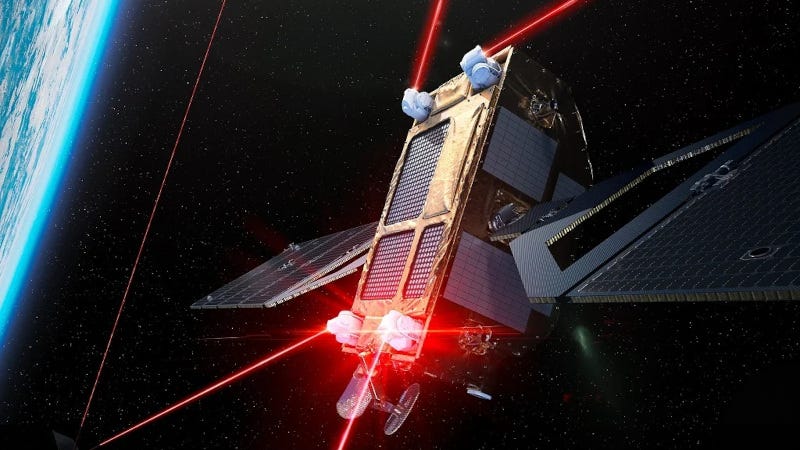
When Rocket Lab completed its $155.3 million acquisition of Mynaric AG on April 14, 2026, adding the Munich-based firm’s CONDOR Mk3 and HAWK terminal lines to its space systems portfolio, most coverage focused on the deal mechanics. That framing missed the more consequential story: the OISL terminal market — already narrow before the deal — now has a significantly different structure, and the implications run directly into the SDA’s Proliferated Warfighter Space Architecture (PWSA) procurement timeline.
Mynaric began volume production of the CONDOR Mk3 in Q1 2024, but the ramp was not clean. Production delays through mid-2024 were caused by lower-than-expected yields and supplier shortages of key components. Rocket Lab has stated publicly that it plans to expand Mynaric’s production capacity to scale supply for both commercial and government customers. What that expansion looks like in practice — timeline, capital allocation, facility scope — has not been publicly detailed as of publication.
The Four Named Suppliers and What They Carry
The SDA’s terminal supply base, as publicly documented, runs through four named providers: Mynaric (now under Rocket Lab), Tesat-Spacecom US, Skyloom, and CACI. Each carries different risk and capacity profiles.
