

Satellite-Based Leak Detection Takes Center Stage at Global Water Loss Forum
Asterra to Present AI-Driven Methods as Utilities Face Mounting Non-Revenue Water Pressure

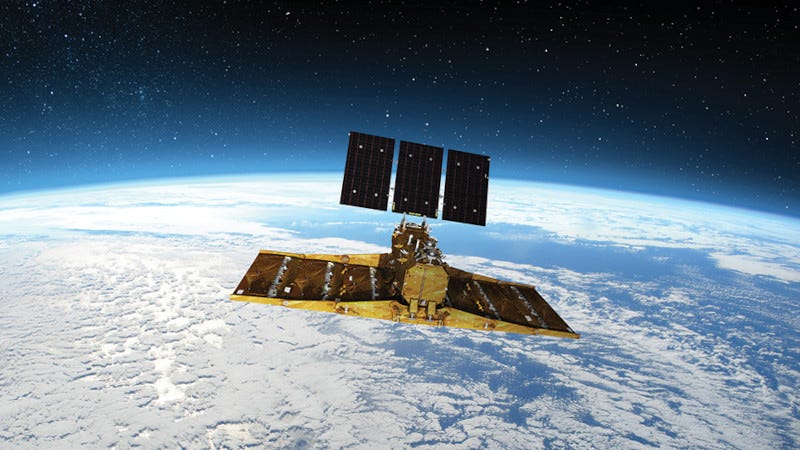
The International Water Association’s premier global conference on water loss management this week in Rio de Janeiro opened with satellite-based leak detection emerging as a focal point, as Asterra brought its AI-driven infrastructure intelligence platform to IWA Water Loss 2026.
“When water is lost underground, utilities lose volume, efficiency, margin, and resilience.”
James Perry, Asterra
The four-day event draws water utility operators, engineers, and policymakers from around the world to address non-revenue water (NRW), the industry term for treated water that never reaches a paying customer due to leaks, theft, and metering errors. Asterra, a San Diego-based firm that uses satellite data and artificial intelligence to detect underground leaks, is presenting alongside two of its regional partners.
“Utilities need clarity, speed, and results,” said Asterra CEO James Perry. “When water is lost underground, utilities lose volume, efficiency, margin, and resilience. Asterra helps utilities find what they cannot see, prioritize where to act, and turn non-revenue water into recovered capacity. That is the conversation we are bringing to Rio.”
The company is exhibiting at booth #16 and hosting a partner event during the conference. Asterra’s satellite-based approach is designed to help utilities detect hidden underground leaks across large networks without the slow, block-by-block field sweeps that conventional detection methods require. The company’s presence at IWA Water Loss reflects the growing urgency around smarter NRW strategies as utilities face aging infrastructure, tighter budgets, and rising pressure to translate water efficiency into measurable outcomes.
Asterra’s technical session, “An In-Depth Look into Different Types of Technologies within Satellite-Based Leak Detection,” examined how different satellite approaches compare in terms of strengths, use cases, and field value — offering conference attendees a practical framework for evaluating detection options.
Two Asterra partner organizations were also on the conference agenda. Carolina del Pilar Villacis Espinoza and Luis Aguilar of INTEGRORED, Asterra’s Latin American partner, presented on “Use of Satellite Detection for NRW Recovery, Focused on Financial Sustainability in Drinking Water and Drainage Service Providers.” Their session addressed how utilities can assess and maximize the financial return on leak detection investments.
Eduardo Rodrigues and Fábio Inácio of Águasistemas, Lda, a Portuguese utility services firm, presented “Reducing Water Loss through Satellite Leak Detection: A Joint Initiative of Seven Water Utilities in the Algarve.” The session covered a multi-utility collaboration in southern Portugal that deployed satellite-based methods to identify losses across a shared service region — a model that could be adapted to other regions facing similar infrastructure challenges.
The breadth of partner presentations reflects the global reach of Asterra’s platform. The company reports more than 600 utility and government customers worldwide. To date, the company says its technology has helped identify more than 200,000 leaks globally, recovering approximately 1.08 trillion gallons of water, saving 2.3 terawatt-hours of energy, and avoiding 1.65 million short tons of carbon dioxide emissions.
Perry said satellite and AI tools have moved well past the experimental stage. “Satellite intelligence and AI are no longer future concepts in water management,” he said. “They are practical tools utilities can use right now to find hidden losses, recover water, and operate with greater confidence.”
IWA Water Loss is considered the primary international forum for NRW strategy and technology, meeting every two years. The Rio de Janeiro edition puts a spotlight on water challenges across Latin America, a region where aging distribution infrastructure and rapid urban growth have placed sustained pressure on utility finances and public water supply reliability.
For utilities contending with tightening capital budgets and deteriorating pipe networks, the financial argument for satellite-scale detection carries particular weight. Non-revenue water is widely estimated to represent 30% or more of treated water production in many municipal systems — a volume that translates directly into lost revenue, unnecessary energy expenditure, and reduced system resilience.