

Optical Communications Becomes the Bottleneck
Cailabs' €57M Fundraise Signals Market Desperation

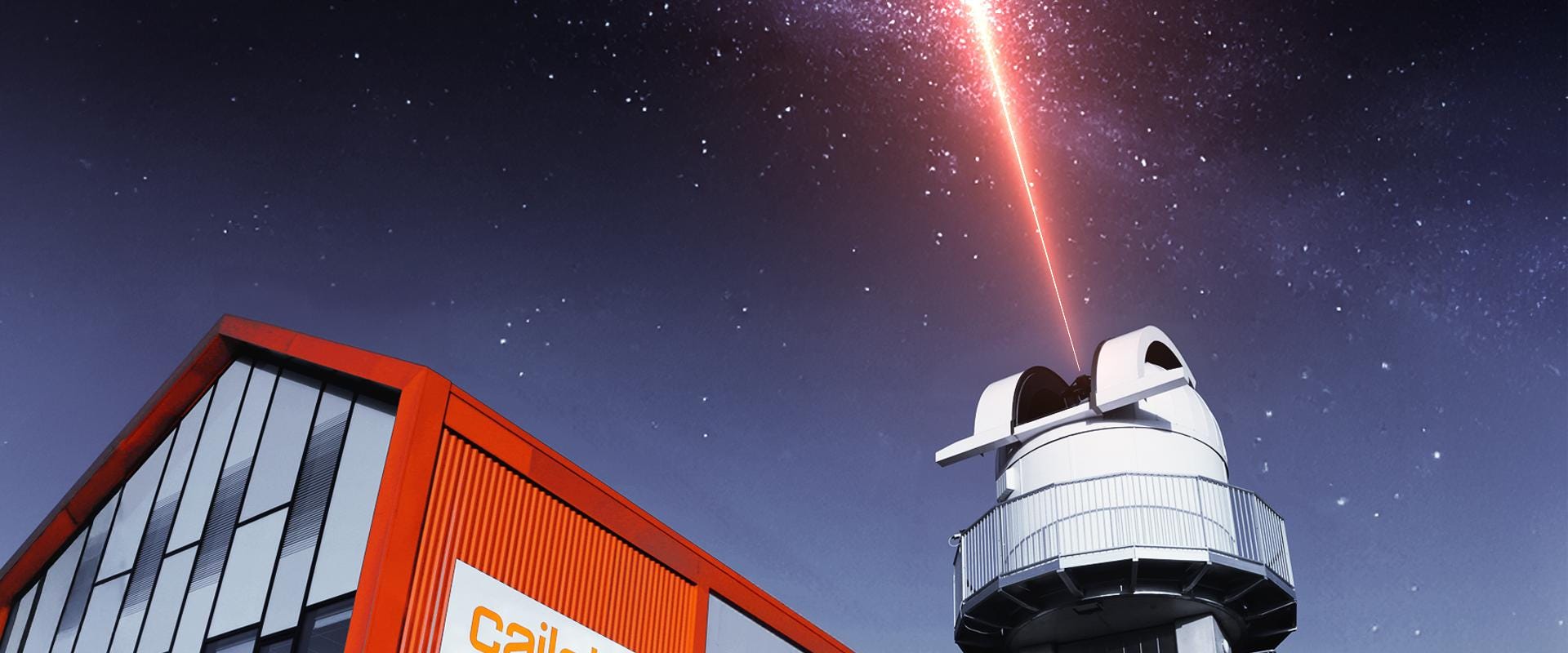
There’s a peculiar pattern emerging in the space industry that resembles the early days of Netflix streaming. Remember when everyone upgraded to high-speed internet, but Netflix’s servers couldn’t keep up? The space sector is facing a similar mismatch, except this time it’s satellites racing ahead with terabit-class capacity while ground stations remain stuck processing data through what amounts to a garden hose.
Cailabs’ €57 million (≈$67 million) fundraise in September 2025 isn’t just another funding round. It’s a distress signal from an industry realizing that building faster satellites means nothing if you can’t get the data down to Earth. The French optical communications company plans to quintuple production capacity—from around 10 contracted optical ground stations to 50 units annually by 2027—because the alternative is watching billions in satellite investments orbit uselessly overhead.
When Space Moves Faster Than Ground
The numbers tell an uncomfortable story. Germany’s space agency demonstrated 13.2 terabits per second optical transmission between satellites in 2023. That’s roughly equivalent to downloading 1,650 HD movies simultaneously. Yet deploying the ground infrastructure to actually receive this data has become the industry’s unexpected chokepoint.
