

New Shepard Flights Paused for No Less Than Two Years
Blue Origin Will Refocus on Human Lunar Spaceflight Program

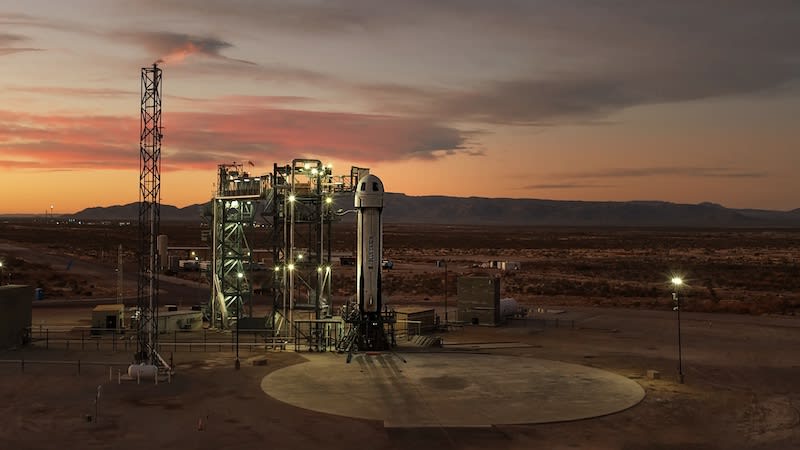
Blue Origin will pause its New Shepard flights for at least two years, and shift resources to further accelerate development of the company’s human lunar capabilities, the company announced late last week. Blue Origin says the decision reflects its commitment to the nation’s goal of returning to the Moon and establishing a permanent, sustained lunar presence.
“It is disheartening whenever a space flight program is delayed, paused, or ended. However, this isn’t a step back, it’s a step up.”
Statement released by Spaceflight for Humanity
New Shepard has flown 38 times and carried 98 humans above the Kármán line to date. New Shepard has launched more than 200 scientific and research payloads from students, academia, research organizations, and NASA. This consistent and reliable performance, combined with an exceptional customer experience, has resulted in a multi-year customer backlog.
But it is not clear how many people will have their microgravity experience postponed by the pause. Blue Origin has not disclosed the list of people who have secured spots on the suborbital flights. It is not known how many, if any, uncrewed New Shepard flights are planned, or what companies might now have to look for another launch provider.
Blue Origin’s larger rocket, New Glenn, is slated to fly for the third time in late February, though a launch window has not been announced. That flight is scheduled to deploy the BlueBird 7 communications satellite for AST SpaceMobile.
The non-profit organization Space for Humanity, which has facilitated flights on New Shepard for multiple customers, released a statement following the announcement. “We owe gratitude and admiration to companies like Blue Origin and their contemporaries. Especially to the dedicated and talented staff that are the reason these modern marvels take flight,” the statement said. “It is disheartening whenever a space flight program is delayed, paused, or ended. However, this isn’t a step back, it’s a step up. Going to the Moon is hard and the decision to shift focus and put resources behind that goal is understandable. In this modern era of space travel, private commercial aerospace companies have expanded humanity’s access to and reach into space in ways undreamt of just decades ago.
“Space for Humanity has been shifting our programs and missions to provide experiences and engagements with people around the world who want to go to the stars. Today’s announcement is just a reminder of what we already know: if we are not evolving and pushing ourselves upward in new ways, we risk falling behind.”