

Kepler Books Dedicated Neutron Launch For 2028 Satellite Expansion
Deal Marks Kepler’s First Dedicated Ride To Orbit After Years Of Rideshare Launches

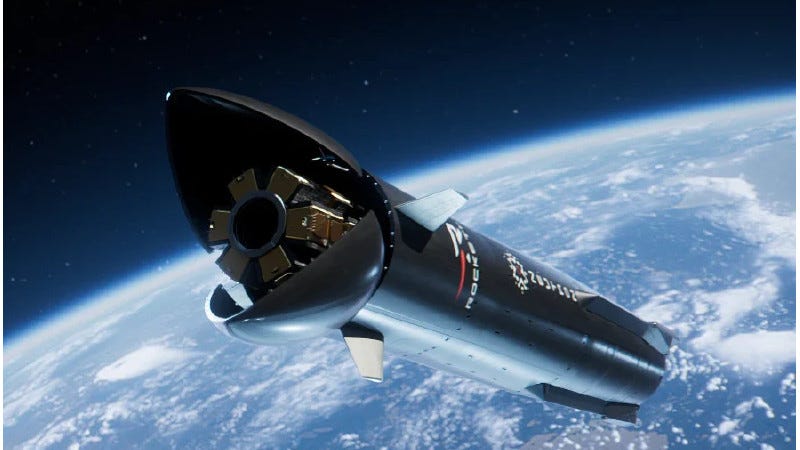
Kepler Communications has booked a dedicated launch on Rocket Lab’s Neutron rocket, targeting no earlier than 2028 to deploy a batch of new satellites to low Earth orbit.
“Selecting Rocket Lab for our first dedicated launch marks an important milestone for Kepler as we continue to scale our infrastructure.”
Mina Mitry, Kepler
Rocket Lab Corporation, a Nasdaq-listed launch and space systems company, announced the contract Aug. 10. The mission will fly from Rocket Lab’s Launch Complex 3 on Wallops Island, Virginia, and will add optical connectivity, on-orbit computing and hosted-payload capacity to Kepler’s satellite constellation, which supports both commercial and government customers.
The launch date is a target, not a confirmed schedule, and it rests on a rocket that has not yet flown. Neutron is still in development; Rocket Lab describes it in its own materials as an “upcoming” medium-lift vehicle built for reuse.
For Kepler, the contract marks a shift in approach. The company has relied on rideshare flights to deploy its first 33 satellites. This is the first time Kepler has purchased a dedicated commercial launch outright, giving it direct control over launch timing and orbital placement rather than sharing a rocket with other payloads.
Sir Peter Beck, founder and CEO of Rocket Lab, said Kepler joins what he called a growing list of companies choosing Neutron. “Neutron is the space industry’s next generation medium-lift rocket that puts constellation operators in the driver’s seat with tailored missions and secure access to space,” Beck said.
Mina Mitry, CEO and co-founder of Kepler, said the contract reflects the company’s growth. “Selecting Rocket Lab for our first dedicated launch marks an important milestone for Kepler as we continue to scale our infrastructure,” Mitry said. “Our customer demand continues to grow, and dedicated launch provides the flexibility to expand and deliver more capacity and capability to the missions we support.”
Rocket Lab said the Kepler mission extends a run of commercial contracts that is filling Neutron’s launch manifest through the end of the decade, before the rocket has completed a single flight.
Kepler, headquartered in Toronto, operates a network built around optical inter-satellite links and says it has flown 33 satellites to date. Rocket Lab, based in Long Beach, California, flies the smaller Electron and HASTE rockets alongside Neutron’s development, and says its hardware has supported more than 1,700 missions in Earth orbit and beyond.
Neither company disclosed the value of the launch contract.