


Engineering momentum meets market uncertainty in the race to replace the International Space Station
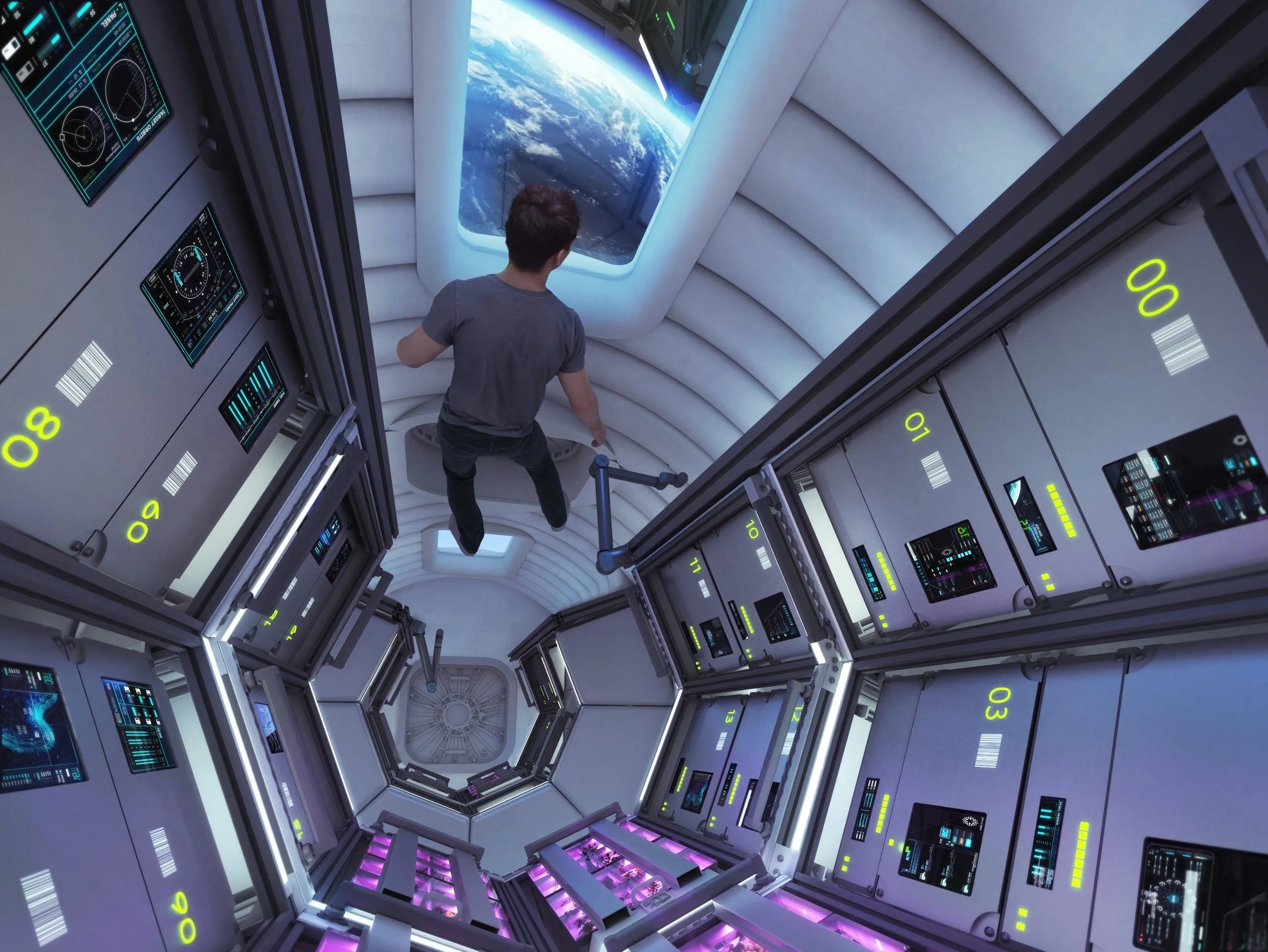
In June 2025, Blue Origin and Sierra Space celebrated a milestone that most space industry observers barely noticed: their jointly developed Orbital Reef commercial space station had successfully completed its System Definition Review with NASA. The technical achievement was genuine—SDR completion validates that a spacecraft’s design can meet requirements and demonstrates readiness to move into detailed development. For a project involving nine partner companies and aiming to replace humanity’s foothold in low Earth orbit, clearing this hurdle mattered.
But the celebration came with an uncomfortable asterisk. While Blue Origin and Sierra Space were touting their June 2025 SDR success, competitor Axiom Space had already finished manufacturing hardware for station modules scheduled to launch in 2027. Another rival, Starlab, had locked down $217.5 million in NASA funding plus a $40 billion financing facility and completed preliminary design milestones that Orbital Reef was still chasing. The engineering progress was real. The competitive lag was equally real.
This tension—between genuine technical momentum and an increasingly difficult market position—defines Orbital Reef’s current predicament. Blue Origin and Sierra Space have assembled credible engineering talent, demonstrated critical technologies like inflatable habitat modules, and secured $172 million in NASA funding. They’ve maintained partnership cohesion across a complex consortium at a time when multi-party space mega-projects have a checkered history. Their 2027 operational target, while optimistic, isn’t science fiction.
