

Haven-1 Integration Watch
Vast’s Live Feed Was Not a Marketing Stunt. It Was a Supply Chain Signal

What This Means
Haven-1 is not a concept document or a rendering on a conference room wall. It is hardware in integration at a Long Beach, California facility, supported by five named commercial payload partners across three continents, with a NASA private astronaut mission award on the books and a Q1 2027 launch target tethered to one critical gate: environmental testing at NASA’s Neil Armstrong Test Facility in Ohio. The supply chain Vast has assembled is the most concrete evidence available that commercial station demand is real. The risks embedded in that supply chain — a single environmental testing milestone, a single launch vehicle, a NASA Commercial Low Earth Orbit Destinations (CLD) funding debate that remains unresolved, and a Phase 2 acquisition formally placed on hold since January 28, 2026 — are what payload operators and investors need to be mapping right now, before integration closes and the windows with it.
The Business Case, Stated Plainly
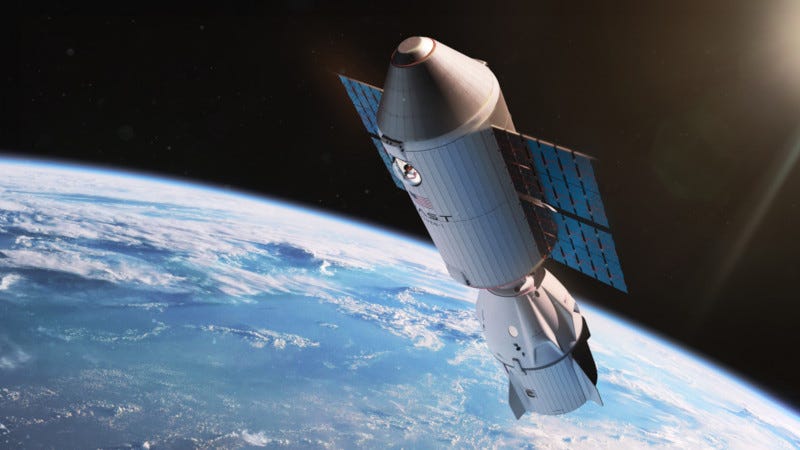
There is a particular kind of credibility that comes only from letting people watch you build a thing. At the 41st Space Symposium in Colorado Springs, Vast set up a live video feed of Haven-1 on the exhibit floor — not an animation, not a scale model, but a real-time stream of a full-scale station module being assembled at their Long Beach, California facility. For three years, the commercial space station market has been the topic of sometimes heated debate in congressional budget hearings, conference rooms, and investor decks. Vast answered by pointing a camera at the hardware.
That hardware represents hundreds of millions in deployed capital and the furthest any commercial entity has advanced toward launching and operating a crewed orbital platform. Haven-1 is targeting a Q1 2027 launch — contingent on clearing environmental testing at the National Aeronautics and Space Administration (NASA)’s Neil Armstrong Test Facility in Sandusky, Ohio, scheduled for later in 2026. How it performs there, and what happens to NASA’s CLD funding structure in the months surrounding that test campaign, will determine whether Haven-1 opens a new chapter in commercial space or becomes a cautionary note in it.
