


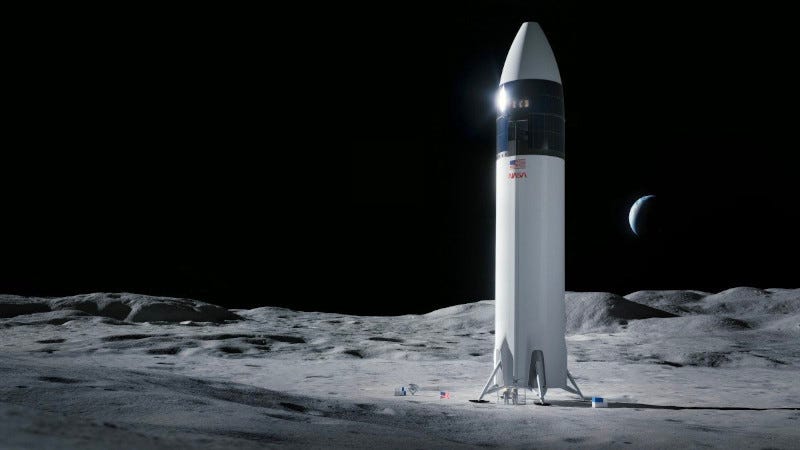
NASA is currently targeting March 6 as the earliest it will attempt to launch the historic Artemis II flight, which will put humans in the proximity of the moon for the first time since 1972. But Artemis is not just a rocket ship or series of space flights. It is an ambitious program that is intended to lead to a long-term human presence on the Moon. There are, however a lot of moving parts, and a lot of questions to be answered, before that plan becomes a reality. And commercial space companies from all over the world will be critical players in achieving that goal.
As Congress locked in the 2026 NASA budget with expanded commercial partnerships at its core, a critical question emerged for lunar economy investors and operators: Is NASA’s new anchor-tenant model inflating a speculative bubble in lunar services, or has it finally created the stable procurement environment needed to justify current valuations and unlock sustained deal flow?
The answer lies at the intersection of international governance, acquisition reform, and commercial contract reality. The Artemis Accords, signed by more than 50 nations and counting, set the normative framework for lunar activity. Meanwhile, NASA’s shift toward fixed-price contracts and public-private partnerships has positioned the agency as an anchor tenant rather than prime contractor. Together, these developments are reshaping how capital flows into lunar ventures, how deals are structured, and ultimately, what multiples investors are willing to pay for exposure to cislunar commerce.
