

Auditors Flag Cost Overruns, Safety Gaps in NASA’s Moon Lander Programs
Inspector General Reviews Find Schedule Delays, Crew Safety Questions in CLPS and HLS Initiatives

A series of audits by NASA’s Office of Inspector General has found significant cost increases, chronic schedule delays, and unresolved crew safety concerns across the agency’s two flagship commercial lunar lander programs — raising questions about the pace and oversight of NASA’s planned return to the Moon.
NASA established the Commercial Lunar Payload Services, or CLPS, initiative in 2018 to contract American companies to deliver science and technology payloads to the lunar surface. The agency has since awarded 11 task orders to five vendors, with four landers launched to date. NASA plans to substantially increase CLPS launch frequency under a follow-on contract called CLPS 2.0.
In a June 2024 report, OIG auditors found that cost overruns and schedule delays had accumulated across the CLPS portfolio. Costs across CLPS missions had risen by $208.2 million, and average schedule delays reached at least 14 months per task order. NASA officials had initially set delivery schedules averaging 30 months from contract award to launch — timelines auditors said were based on overly optimistic market research that failed to account for supply constraints and technological development challenges. The actual average time to launch was 44 months at the time of the report.
The use of firm-fixed-price contracts, which shift production and cost risks to vendors, created financial pressure on the small, relatively new companies competing for CLPS task orders. Auditors concluded that financial strain contributed to the bankruptcy of one CLPS vendor and created ongoing market uncertainty for others.
The pressures intensified when NASA deviated from its original strategy of launching low-cost, non-critical instruments first. In 2020, the agency added the Volatiles Investigating Polar Exploration Rover — known as VIPER — as the fourth CLPS task order. The 1,000-pound rover carried a price tag of $433.5 million. The high-stakes nature of the mission led to increasingly risk-averse practices that drove up costs and further delayed delivery schedules. NASA temporarily discontinued VIPER in July 2024, then added it to another CLPS task order approximately one year later.
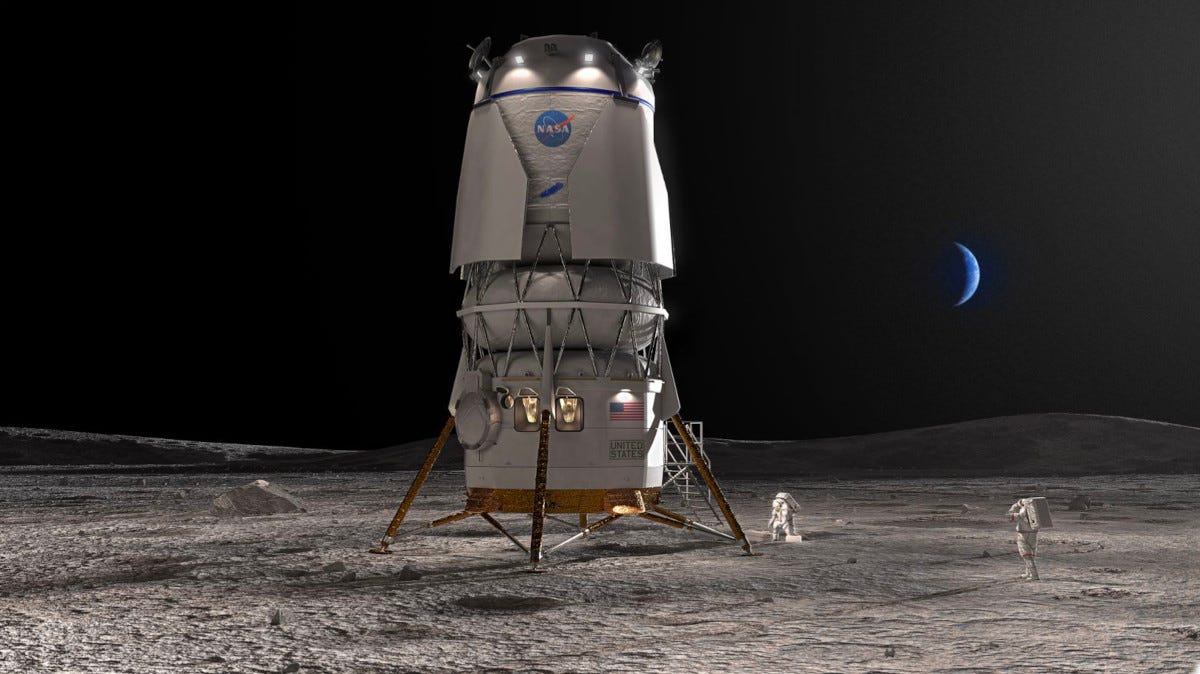
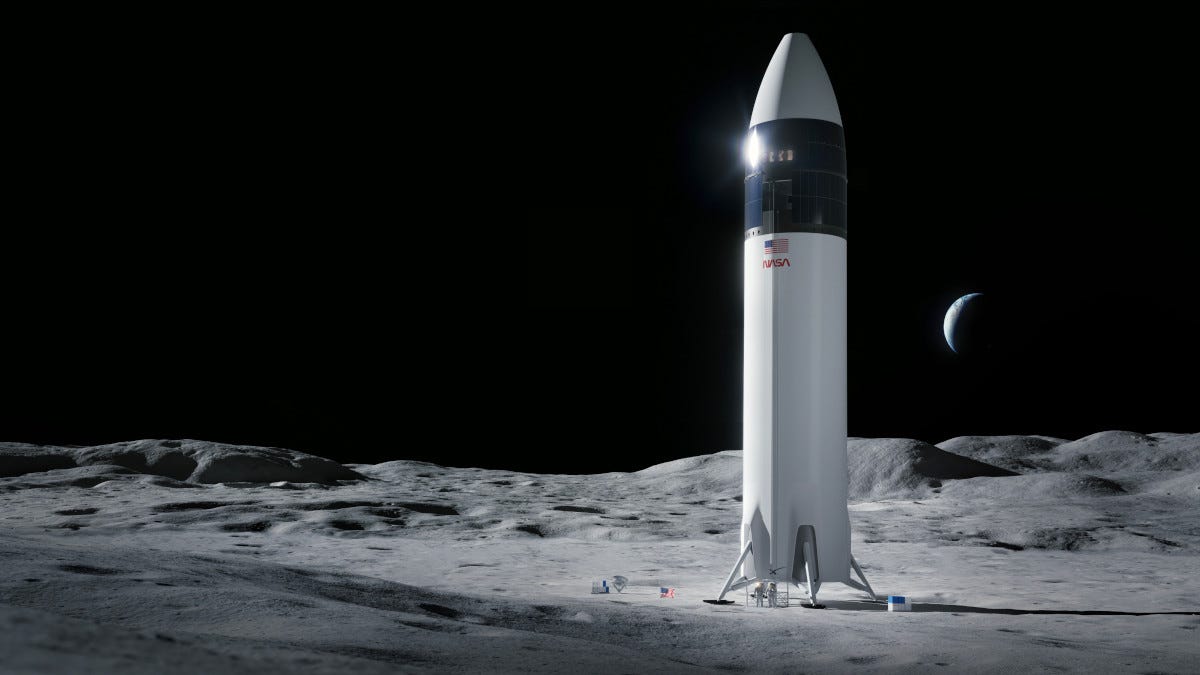
NASA is applying a similar firm-fixed-price contracting model to its Human Landing Systems, or HLS, program — the effort to develop crewed landers for the Artemis campaign. SpaceX and Blue Origin are each under contract to design, build, and own their respective landers, with NASA purchasing landing services. Since the HLS program’s inception in 2019, NASA has obligated nearly $7 billion to lander development and projects total spending to exceed $18 billion through fiscal year 2030.
In a March 2026 report, OIG auditors found that the HLS acquisition approach had effectively controlled contract costs. The SpaceX contract had increased by 6 percent, while the Blue Origin contract had grown by less than 1 percent. However, both companies have encountered technical and integration hurdles that could affect future costs and timelines.
The audit also identified gaps in crew safety oversight. Although SpaceX and Blue Origin are responsible for meeting mission milestones and technical requirements, NASA bears ultimate responsibility for crew safety. Auditors found that the agency’s testing posture contained gaps and that crew survival analyses were incomplete. The report also noted that NASA and SpaceX remain in disagreement over whether the company is meeting the manual control requirement that would allow astronauts to override automated systems during lunar descent — a potentially critical safety issue.
NASA recently announced that Artemis III will include critical tests in low Earth orbit, involving rendezvous and docking with one or both landers. Those tests are intended to lay the groundwork for Artemis IV, which would return humans to the lunar surface for the first time in more than 50 years.
The OIG reviews cover only part of the broader lunar architecture NASA is building. The agency is also collaborating with commercial partners on next-generation spacesuits and other infrastructure elements required for sustained lunar operations and, ultimately, crewed missions to Mars.